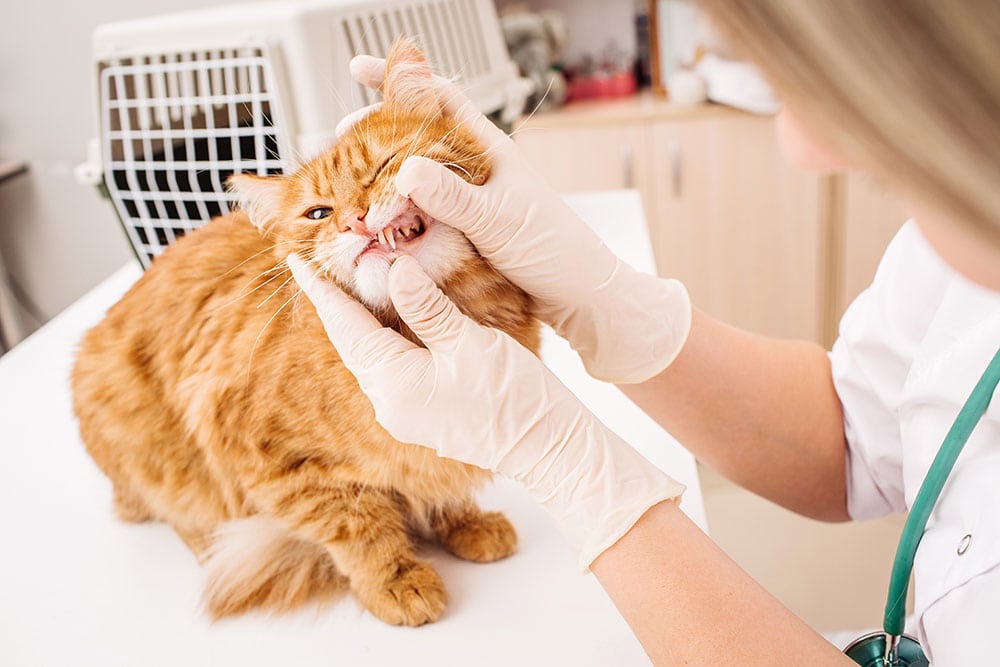
Pet shops play a crucial role in the lives of pet owners by offering a wide array of products and services tailored to meet the needs of their beloved companions pet universe sdn bhd. From selecting the right supplies to seeking professional advice on training and grooming, pet shops serve as reliable hubs for all things pet-related. But what truly sets them apart is their ability to foster a sense of community and provide a platform for pet enthusiasts to connect and share experiences. The impact of pet shops extends far beyond transactions; they serve as pillars of support for individuals navigating the rewarding journey of pet ownership.
Benefits of Visiting a Pet Shop
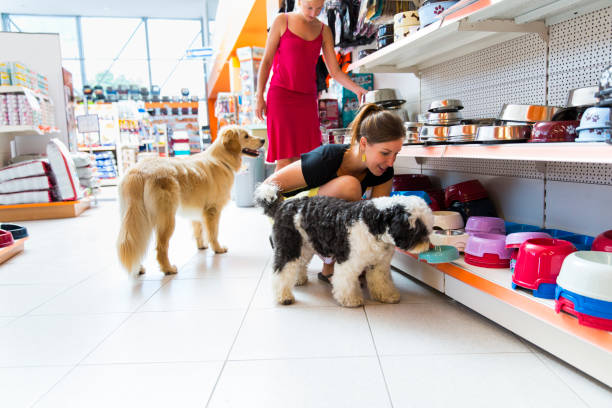
When considering the benefits of visiting a pet shop pet shop, one can find a diverse range of products and services tailored to meet the needs of both pets and their owners. Pet shops offer a convenient one-stop destination for all pet-related needs, including food, toys, grooming supplies, and healthcare products. These establishments often employ knowledgeable staff who can provide guidance on choosing the right products for different types of pets. Additionally, pet shops may offer services such as grooming, training classes, and veterinary care referrals, making it easier for pet owners to ensure the well-being of their furry companions.
Visiting a pet shop can also provide an opportunity for pet owners to socialize with other like-minded individuals, fostering a sense of community and support. Furthermore, by purchasing products from a local pet shop, customers can contribute to the local economy and support small businesses in their community. Overall, the benefits of visiting a pet shop extend beyond just acquiring goods and services, enriching the lives of both pets and their owners.
Finding the Perfect Pet Match
When seeking the perfect pet match, it’s crucial to consider pet compatibility tips that can help ensure a harmonious relationship.
Matching pets and owners based on lifestyle, activity level, and living situation is key to creating a fulfilling bond.
Identifying the ideal pet characteristics that align with your preferences and capabilities is essential for a successful and lasting companionship.
Pet Compatibility Tips
Discovering the ideal pet companion involves careful consideration of compatibility factors to ensure a harmonious and fulfilling relationship. When choosing a pet, think about your lifestyle, living space, and the amount of time you can dedicate to your new furry friend. Different pets have varying needs; for example, high-energy dogs may require more exercise, while some cats are more independent.
Consider allergies, temperament, and compatibility with other pets in your household. Research breeds or species that align with your preferences and capabilities. Adopting a pet is a long-term commitment, so take the time to find the perfect match.
Matching Pets and Owners
Matching pets with owners involves a thoughtful assessment of lifestyle, preferences, and compatibility factors to ensure a successful and fulfilling partnership. By understanding the unique needs and characteristics of both the pet and the owner, a suitable match can be made that benefits both parties.
It’s crucial to consider factors such as activity level, living space, time availability, and temperament to find a pet that aligns with the owner’s lifestyle and preferences. This process requires patience, research, and sometimes trial and error to discover the ideal companion.
Ultimately, the goal is to create a harmonious bond that brings joy and fulfillment to both the pet and the owner, fostering a loving and lasting relationship.
Ideal Pet Characteristics
To find the perfect pet match, it is essential to carefully consider the ideal characteristics that align with your lifestyle and preferences. Whether you prefer an active companion for outdoor adventures or a laid-back cuddle buddy for cozy evenings at home, understanding the traits that best suit your routine and personality is crucial.
Consider factors such as energy level, size, grooming needs, and temperament when choosing a pet. A thorough evaluation of your living situation and available time for pet care will help ensure a harmonious match.

The Importance of Pet Adoption
Adopting a pet is a significant decision that can positively impact both the animal’s life and the adopter’s well-being. When you choose to adopt a pet, you are not only providing a loving home for an animal in need but also gaining a loyal companion that can bring immense joy and fulfillment to your life. Pet adoption helps reduce the number of animals in shelters, giving them a second chance at a happy life.
Furthermore, adopting a pet can have numerous health benefits for the adopter. Studies have shown that owning a pet can lower stress levels, decrease feelings of loneliness, and increase physical activity. The bond formed between a pet and its owner can provide emotional support and companionship, promoting overall well-being.
Essential Supplies for New Pets
When bringing a new pet into your home, it’s crucial to have the essential supplies on hand to ensure their well-being and comfort. Basic pet care items such as food and water bowls, a comfortable bed, and grooming tools are essential for meeting your pet’s daily needs.
Starter pet accessories like leashes, collars, and toys can help make the transition smoother for both you and your new furry friend.
Basic Pet Care
New pet owners should ensure they have the essential supplies on hand to properly care for their new pets. These supplies include:
- Food and water bowls
- A suitable bed or resting area
- Appropriate toys for mental stimulation
- Grooming tools for maintenance
- A collar with an identification tag
Additionally, pet owners should have a leash for dogs or a carrier for cats and other small animals to ensure safe transportation. It is crucial to provide a clean and safe environment for pets, so cleaning supplies such as litter boxes, waste bags, and pet-safe cleaning solutions are necessary.
Starter Pet Accessories
Ensuring that new pets have the necessary starter accessories is paramount for their well-being and comfort in their new environment.
Some essential supplies for new pets include a suitable bed or enclosure, food and water dishes, appropriate toys for mental stimulation, grooming tools, and a collar or harness with identification tags. These accessories help create a safe and comfortable space for your new companion.
It’s important to choose high-quality products that cater to your pet’s specific needs, ensuring they feel secure and content. Providing these starter accessories from the beginning sets a positive foundation for a healthy and happy relationship with your pet.
Health and Nutrition
To promote the overall well-being and longevity of your new pet, it is imperative to prioritize their health and nutrition through the provision of essential supplies tailored to their specific dietary and medical requirements. High-quality pet food that meets their nutritional needs is fundamental.
Consult with a veterinarian to determine the best diet for your pet’s breed, age, and any existing health conditions. Additionally, ensure access to clean water at all times. Depending on your pet’s species, supplements like vitamins or minerals may be necessary.
Regular exercise and mental stimulation are also crucial for their health. Remember, a balanced diet and proper care are key to a happy and healthy life with your beloved pet.
Expert Advice From Pet Shop Staff
Upon consulting with our experienced pet shop staff, customers can gain invaluable insights and guidance on providing optimal care for their beloved pets. Our knowledgeable team is dedicated to assisting pet owners in making informed decisions that promote the well-being of their furry, feathered, or scaly companions. From dietary recommendations tailored to your pet’s specific needs to advice on training techniques and behavioral enrichment, our staff is equipped to address a wide range of concerns.
Our pet shop staff members undergo rigorous training to stay updated on the latest research and trends in pet care. They are passionate about animals and are committed to offering compassionate and individualized advice to every customer. Whether you have questions about grooming, exercise routines, or selecting the right toys, our team is here to help.
At our pet shop, we believe that every pet deserves a loving and nurturing home environment. By providing expert guidance and support, we empower pet owners to create a happy and fulfilling life for their pets.
Creating a Happy Home Environment
In order to foster a harmonious and joyful atmosphere for your pets, it is imperative to curate a home environment that caters to their physical, mental, and emotional well-being. Start by ensuring that your pets have a designated space that is comfortable, safe, and meets their specific needs. Providing ample opportunities for exercise and play is essential for their physical health and mental stimulation. Incorporating toys, scratching posts, or climbing structures can keep your pets engaged and active.
Creating a routine for feeding, grooming, and playtime can help establish a sense of security and predictability for your pets. Additionally, maintaining a clean and organized living space can contribute to their overall well-being and happiness. Consider incorporating cozy bedding, hiding spots, or perches where your pets can retreat and relax.
Building a Strong Bond With Your Pet
Fostering a strong bond with your pet is crucial for their well-being and your mutual happiness. Building a strong connection with your furry friend requires time, patience, and understanding. Start by spending quality time together, engaging in activities that your pet enjoys, such as playtime, walks, or grooming sessions. Communication is key in any relationship, and even though pets may not understand our words, they respond to our tone of voice and body language. Consistency in training and positive reinforcement help establish trust and respect between you and your pet.
Showing affection through cuddles, pets, and praise strengthens the bond and creates a sense of security for your pet. Understanding their needs, whether it’s for food, exercise, or attention, demonstrates your commitment to their well-being. Additionally, respecting their boundaries and allowing them to have their own space when needed fosters a healthy relationship built on mutual understanding. By investing time and effort into building a strong bond with your pet, you create a lasting and fulfilling companionship that brings joy and fulfillment to both of your lives.
Conclusion
In conclusion, pet shops play a vital role in providing essential supplies, expert advice, and support for pet owners.
By visiting a pet shop, individuals can find the perfect pet match, learn about the importance of pet adoption, and create a happy home environment for their beloved companions.
With the guidance and resources available at pet shops, pet owners can build a strong bond with their pets and ensure they receive the best care possible.
…